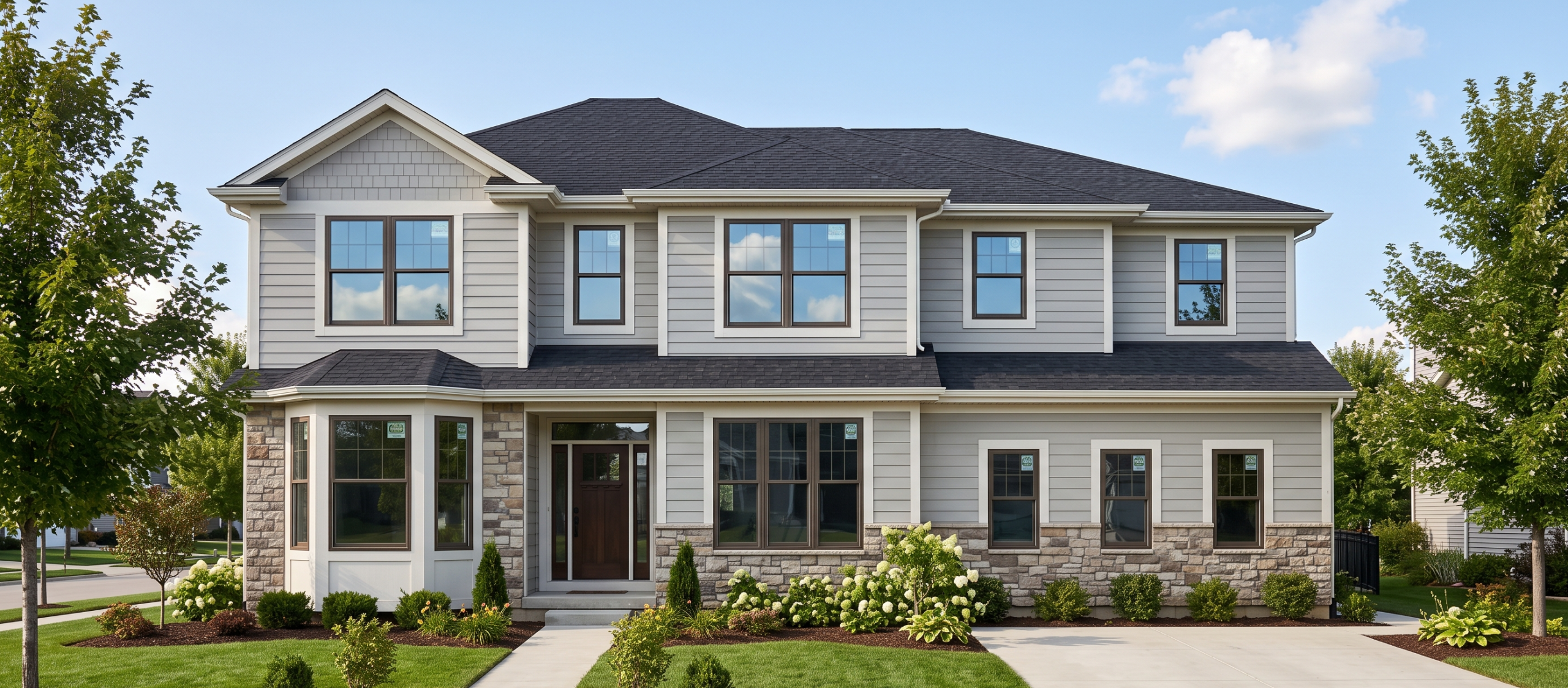
In hot climates, the best windows are usually the ones that reduce solar heat gain, block UV exposure, and help your home stay cooler with less strain on the AC.
The best windows for hot climates are usually energy-efficient windows designed to reduce solar heat gain while still allowing useful daylight into the home. In practical terms, that often means windows with low-emissivity glass coatings, insulated glass, strong air sealing, and frame materials that hold up well in intense sun and heat. The ideal choice depends on the home, but the goal is almost always the same: keep unwanted heat out without making the house feel dark or closed off.
Hot-climate window performance is not just about the glass itself. Frame material, installation quality, window orientation, and shading all matter too. A premium window installed poorly can still underperform, while a well-chosen window matched to the home’s exposure can make indoor spaces noticeably more comfortable.
So if you are trying to choose windows for a hot climate, the best question is not just “Which style looks best?” It is “Which window will help control heat, reduce energy strain, and stay durable over time?”
Why window performance matters more in hot climates
In a hot climate, windows can become a major source of unwanted heat gain. Sunlight passing through glass can warm interior rooms quickly, especially during long afternoons or in homes with large west-facing windows. If the windows are older or poorly performing, your air conditioner may have to work significantly harder just to maintain a comfortable temperature.
The U.S. Department of Energy guide to how windows, doors, and skylights affect home energy performance explains why windows are such an important part of the overall efficiency picture.
That is why the “best” window in a hot climate is usually the one that helps reduce heat gain first, then supports comfort, efficiency, and durability over the long run.
Low-emissivity glass is often one of the top priorities
Low-emissivity, or low-E, glass is one of the most important features to look for in hot regions. These coatings are designed to reduce the amount of heat that passes through the glass while still allowing visible light into the home. That can help rooms stay cooler and reduce the cooling load on the HVAC system.
For many homeowners, low-E glass makes a bigger difference than they expect because it helps address one of the main problems in hot weather: solar heat pouring through the window surface. While the exact product varies, windows with strong heat-control performance are often a better fit than windows selected mainly for appearance or lowest upfront cost.
This does not mean every low-E option performs the same way. Climate-appropriate product selection still matters, especially when solar exposure is intense for much of the year.
Frame material matters too
The frame is another important part of window performance in hot climates. Vinyl windows are often popular because they are generally low maintenance and can perform well in many residential applications. Fiberglass is also attractive because it tends to be durable and dimensionally stable under temperature changes. Some aluminum frames are used successfully too, but heat transfer can be a concern depending on the product and thermal design.
The best frame is not just the one that looks good today. It is the one that holds up under prolonged sun exposure, resists warping, and maintains a good seal over time. If a frame expands, shifts, or breaks down in heat, overall performance can suffer even if the glass is efficient.
- Vinyl is often chosen for efficiency and lower maintenance.
- Fiberglass can be a strong choice for durability and stability.
- Poorly designed frames can undermine otherwise good glass performance.
- Long-term seal integrity matters in hot-weather conditions.
Window style and placement can affect cooling performance
Some window styles are naturally better at limiting air leakage than others. Picture windows, for example, do not open, so they often provide a tighter seal than operable windows. Casement windows can also seal well when closed because they press firmly against the frame. Sliding windows may be convenient, but in some cases they are not the tightest option from an air leakage standpoint.
Placement matters too. West-facing windows often take the harshest afternoon sun, so the best solution may involve not just different glass but also better shading, overhangs, or window coverings. The Department of Energy guidance on energy-efficient window coverings and solar heat control strategies is useful because it shows how the right coverings can complement the window itself.
In other words, the best hot-climate window setup often combines product choice with smart placement and shading decisions.
Installation quality is just as important as the window itself
A great window will not perform as intended if it is installed poorly. Gaps around the frame, bad flashing, weak sealing, or improper fit can let hot air in and conditioned air out. That can erase much of the benefit of paying for a more efficient product.
This is especially important in hot climates where long cooling seasons magnify every weak point in the building envelope. The Department of Energy resource on air sealing your home to reduce energy loss and improve comfort helps explain why controlling air leakage is such a critical part of performance.
If your goal is lower cooling strain and better comfort, installation quality is not optional. It is part of what makes the window the right choice in the first place.
What should homeowners prioritize first?
If you are comparing options, start by focusing on heat control, air sealing, and durability instead of just appearance or a familiar brand name. A beautiful window that allows too much solar gain may not be the right fit for a home in a very hot region.
For many homes, a strong starting point looks like this:
- Energy-efficient glass designed to reduce solar heat gain
- Insulated multi-pane construction
- A durable frame with strong long-term sealing performance
- Professional installation with careful attention to air leakage
- Shading or coverings for high-exposure areas
That combination usually does more for hot-climate comfort than choosing a window based on style alone.
Bottom line
The best windows for hot climates are usually the ones that block excess heat, seal well, and hold up over time. In many cases, that means low-E glass, insulated panes, durable frame materials like vinyl or fiberglass, and quality installation that limits air leakage. Window style and home orientation matter too, especially where afternoon sun is intense.
If your current windows let in too much heat or force your AC to work overtime, replacement can make a meaningful difference. The smartest choice is the one that fits your climate, your home’s exposure, and your long-term comfort goals, not just the one with the lowest upfront price or the most familiar name.
Need help choosing windows for a hot climate?
If you are comparing glass packages, frame materials, or replacement options, we can help you sort through what will actually work best for your home and cooling needs.
Explore Your Window Options