Smart, practical strategies to save money on new windows — without sacrificing performance or long-term value.
Replacing windows can feel overwhelming — especially when you see initial estimates and don’t know where the costs come from. Most homeowners want the same thing: **better comfort, lower bills, and fewer surprises** — but at a price that makes sense.
The good news is there are proven ways to reduce window replacement costs without cutting critical quality or efficiency. This article breaks down what moves the price needle — and what doesn’t — so you can budget with confidence.
Understand the Big Cost Drivers Up Front
Before cutting costs, it helps to know where most of the money goes:
- Window type and material: Vinyl is typically cheaper than wood or fiberglass.
- Size and custom shapes: Standard sizes cost less than arches, bays, or custom openings.
- Installation complexity: Replacing a window insert is cheaper than a full frame rebuild.
- Energy-efficiency upgrades: Higher-performance glass and framing add value — and sometimes reduce long-term costs.
According to national cost summaries, window replacement pricing varies significantly based on materials, performance options, and installation methods — so smart choices here can reduce your total cost meaningfully. Forbes Home – Window Replacement Cost and Value.
1. Choose Standard Sizes and Simple Materials
The quickest way to reduce costs is to stick with **standard-size windows** and **entry-level vinyl frames**.
Custom sizes or specialty wood and fiberglass options can add hundreds of dollars per unit. Vinyl, on the other hand, is mass-produced and easier to install — making it a cost-efficient baseline choice for most projects.
- Standard double-hung or sliding windows cost less.
- Avoid decorative grids or rare shapes if cost is the priority.
2. Install Inserts Instead of Full-Frame Replacements
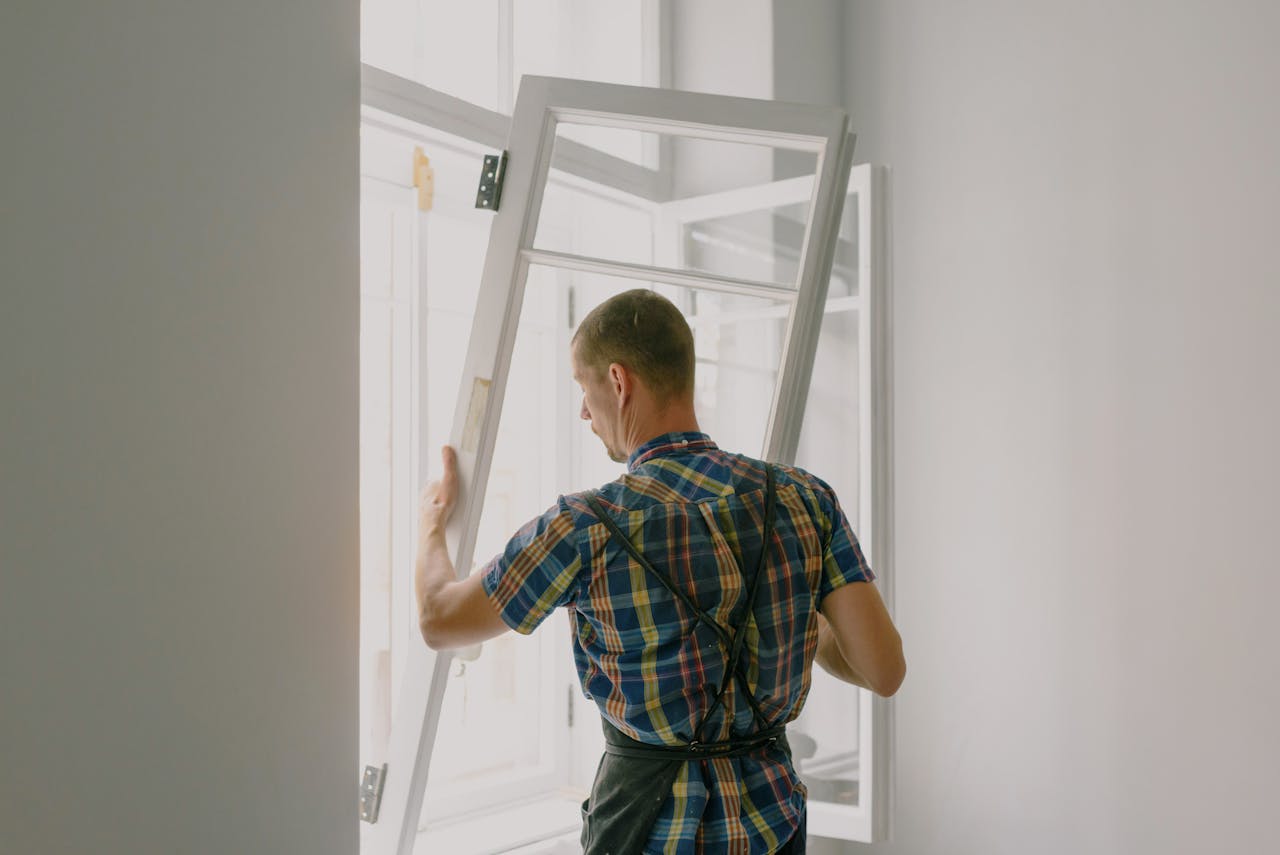
Insert (or pocket) replacements fit inside the existing window frame without removing siding or trim. This reduces labor time and avoids the additional costs of rebuilding exterior finishes.
Insert replacements only work when the existing frame is solid. Have a professional inspect old frames for rot or warping first — this one step helps avoid expensive surprises midway through the job.
3. Bundle Multiple Windows at Once
Replacing several windows at the same time often yields better pricing per unit compared to one-off jobs. Installers set up their tools and staging one time instead of multiple site visits, which lowers labor costs overall.
Ask your installer if **multi-unit pricing discounts** apply when scheduling replacements for multiple windows on the same day.
4. Time Your Project for Off-Season Savings
Window installers are busiest in spring and summer. Booking an install in late fall or winter — when demand is lower — can sometimes result in better pricing or scheduling flexibility.
Planning ahead gives you cost control and timing certainty. Even a few weeks’ shift in schedule can move your project into a less expensive window (no pun intended).
5. Compare Multiple Quotes and Ask for Line-Item Pricing
Not all quotes are the same. Some include materials, labor, permits, and cleanup all bundled; others separate them. Getting **line-item pricing** from several installers lets you see where the money goes and which choices are driving cost.
- Ask installers to detail materials vs labor vs accessories.
- Compare at least 3 bids — it’s the best way to negotiate confidently.
Transparency puts you in control of the decision — and costs.
6. Skip Unnecessary Add-Ons (But Don’t Skip Essentials)
It’s tempting to check every upgrade box, but not all add-ons deliver value equal to their cost.
- Skip overly fancy trim if you’re focused on budget.
- Delay millwork or interior casing upgrades until later.
- But don’t skimp on proper flashing and sealing — those protect against water damage.
Saving on optional trims is smart. Saving on essential sealing is not.
7. Look for Rebates and Incentives
Reducing cost doesn’t always mean spending less. Sometimes it means spending smarter. Many local utilities and state programs offer rebates or incentives for energy-efficient window installations.
These rebates can offset part of the replacement cost, especially when you choose windows designed to lower heating and cooling loads. Make sure you confirm eligibility and documentation requirements before committing to products or installation.
8. Buy Materials Separately (With Caution)
Some homeowners try to reduce cost by buying windows independently and hiring labor only. This can save money — but only if:
- You buy the correct size and rating
- The installer is comfortable working with homeowner-supplied materials
- Warranty and return issues are clear upfront
If the installer must price insurance and warranty around materials you supply, sometimes the savings disappear. Ask before you buy.
9. Plan for Energy Efficiency That Pays Back
It’s natural to equate “cheapest” with “lowest upfront price,” but windows are unique: the cheapest up front can become the most expensive over time if energy bills climb.
ENERGY STAR notes that properly selected energy-efficient windows can help reduce heating and cooling energy use, improving comfort while lowering long-term utility costs — an important factor to weigh when comparing quotes: ENERGY STAR – Residential Windows, Doors, & Skylights .
Choosing slightly better performance where it matters most (for example, Low-E coatings and insulated frames) often pays back over the life of the home.
10. Know When Repairs Beat Replacement
Sometimes windows don’t need full replacement — just focused repairs. Sash repair, weather stripping, or reglazing can boost performance and extend life, which reduces cost compared to full window replacement.
A professional inspection helps you separate “needs replacement” from “could wait.” That certainty prevents wasted spending.
Ready To Get a Lower, Clear Window Replacement Cost?
A cost estimate shouldn’t feel like a guessing game. A good quote shows what you’re getting, why it costs what it does, and where you can thoughtfully reduce price without risk.
Request a no-obligation cost evaluation tailored to your home and timeline. Then compare that with other options and choose with confidence.
Request a Window Cost Evaluation